
Quick answer
The supplied PDF’s main plan is six days, and all six days are retained in order. It starts in Lanzhou, continues through Xiahe, Langmusi and Hezuo, and ends in Xining.
- Days 1–2: Lanzhou arrival, then Xiahe and Labrang Monastery.
- Days 3–4: Bajiao and Gahai on the way to Langmusi, followed by a full Langmusi day.
- Days 5–6: return via Hezuo to Xining, then depart.
- The separate 4–5-day Ruoergai–Tangke–Hongyuan–Chengdu route and 2–3-day Xining-area extension are not compressed into the core itinerary.
- Core itinerary
- 6 days · all source days retained
- Separate extensions
- Ruoergai–Chengdu: 4–5 days · Xining area: 2–3 days
- Food
- Source-based dish notes · no dated venue claims
- Publication
- PDF route outline · verify current details
How many days to spend
Keep the complete six-day outline shown in the PDF. The Ruoergai–Chengdu alternative and the Xining-area sightseeing extension have their own durations below and are not part of these six days.
- 6 days: Use all six route days in order, while checking current transfer feasibility, site access, road conditions and weather.
Where to stay
Lanzhou · arrival night
Best for: A simple start before the westbound transfer
Choose a current stay after checking your arrival point and next-day departure. The PDF’s old property names, rates, addresses and contacts are not reused.
Xiahe · Labrang stage
Best for: Keeping the monastery visit and optional Sangke stop flexible
Compare current lodging locations with your confirmed transport and visitor plans; this is a broad area suggestion, not a hotel endorsement.
Langmusi · two-night stage
Best for: A full day for the town and monasteries on both sides
Check present-day availability and access before booking. Allow flexibility for high-elevation conditions and local monastery guidance.
Xining · departure stage
Best for: A practical base before the day-six return journey
Select a current location that matches the airport, railway station or coach service on your booking.
Best time to visit
- The PDF’s season descriptions are historical, not a current forecast. Check weather and road notices for each leg shortly before departure.
- Expect conditions to differ between Lanzhou and the higher stops. Keep outdoor plans flexible and pack layers and rain protection.
Getting around
The itinerary crosses several distant towns and highland areas. Confirm the full route and return legs using current transport operators or a licensed local provider; the supplied PDF’s schedules, fares, phone numbers and journey-time estimates are omitted.
- Before committing to Bajiao, Gahai or Sangke, check current access, road conditions, daylight and the onward transfer.
- Do not assume the Langmusi–Hezuo–Xining sequence fits a fixed timetable; leave a fallback for delays or weather.
- Confirm your day-six departure terminal and allow enough time to reach it.
Arriving in Gannan
This guide does not reuse historic airport, transfer, or schedule details from the supplied PDF.
Confirm the arrival station and onward route using your current ticket and a live map.
Transport notes
Reconfirm each long transfer
The route uses long-distance connections between Lanzhou, Xiahe, Langmusi, Hezuo and Xining. Check current operator information and road conditions rather than using the PDF’s older schedule or time estimates.
Booking and access checks
Check current visitor arrangements
Access, tickets, opening times, local transport and weather-related restrictions can change. Verify current official or local notices before travel; the PDF is not a live booking source.
The complete six-day Gannan route
This timeline preserves all six days and the route order shown in the supplied PDF. It is a source-based planning outline, not a live timetable; verify current access, transfers, road conditions and weather before each stage.
- Day 1
Arrive in Lanzhou · 兰州(抵达) → 黄河沿岸(时间允许) → 白塔山或水车园(可选) → 正宁路夜市(可选)
The six-day PDF begins with arrival in Lanzhou. If arrival time and energy allow, it suggests a relaxed Yellow River waterfront walk; the beef-noodle stop is a food idea, not a named restaurant recommendation.
Source: 我是驴友-甘南.pdf, p. 6. Check current conditions and local guidance before travel.
- Day 2
Lanzhou → Xiahe → Labrang Monastery · 兰州 → 夏河 → 拉卜楞寺 → 桑科草原(时间与通行条件允许时可选)
Travel from Lanzhou to Xiahe and make Labrang Monastery the main visit. The PDF leaves Sangke Grassland as an optional evening addition if there is enough daylight and the transfer is practical.
Source: 我是驴友-甘南.pdf, p. 6. Check current conditions and local guidance before travel.
- Day 3
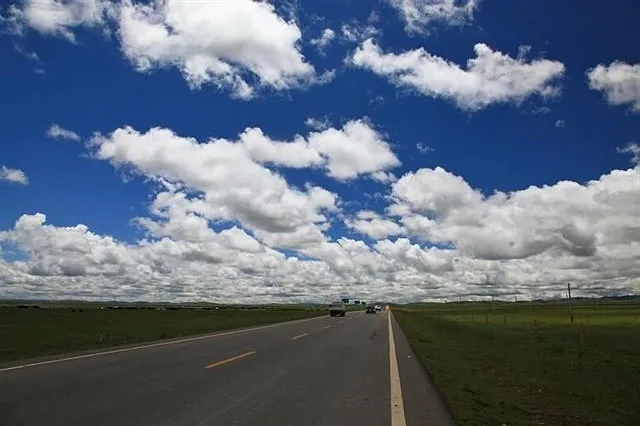
Xiahe → Bajiao Ancient City → Gahai → Langmusi · 夏河 → 八角城(灵活停留) → 尕海 → 郎木寺
The source route heads west from Xiahe, placing Bajiao Ancient City and Gahai Lake before Langmusi. Treat Bajiao as a flexible stop and do not force every stop into the day if current road, weather, or access conditions make the transfer impractical.
Source: 我是驴友-甘南.pdf, p. 6. Check current conditions and local guidance before travel.
- Day 4
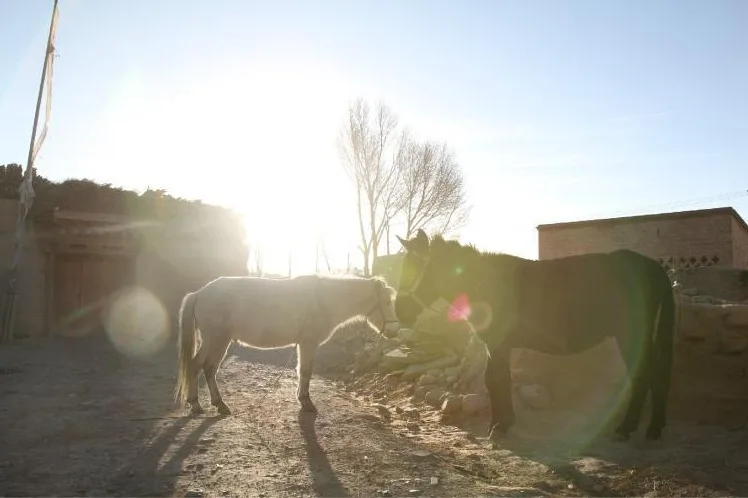
A full day around Langmusi · 郎木寺镇 → 四川境内格尔底寺 → 甘肃境内赛赤寺 → 周边步行(仅在当地允许时)
Keep a full day for Langmusi and the monasteries on the Gansu and Sichuan sides, as the PDF does. Visit only areas currently open to visitors, follow monastery guidance, and keep sacred or private practices private.
Source: 我是驴友-甘南.pdf, p. 6. Check current conditions and local guidance before travel.
- Day 5
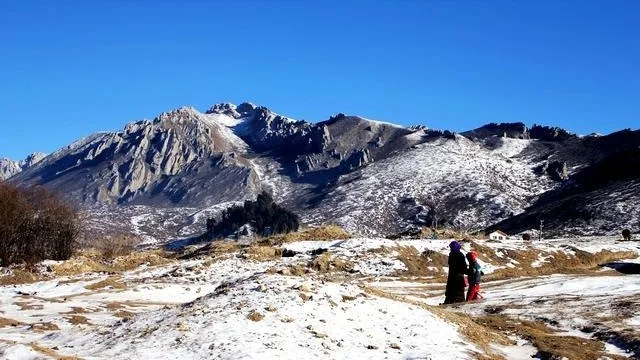
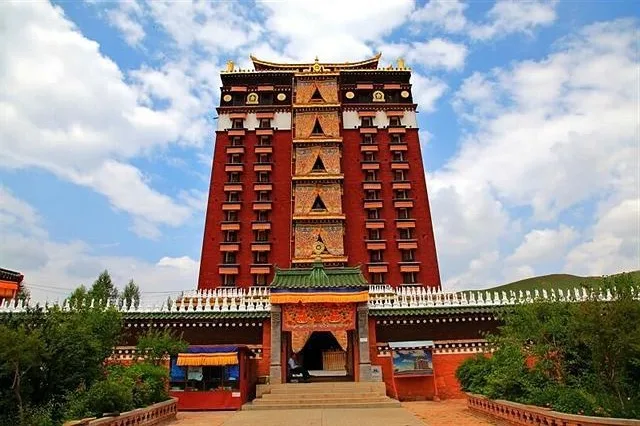
Langmusi → Hezuo → Xining · 郎木寺 → 合作 → 米拉日巴佛阁(当前开放与时间允许时) → 西宁
The fifth day turns back toward Xining with a stop in Hezuo, where the PDF highlights Milarepa Buddha Pavilion. Preserve the stop only if current connections and the day’s travel conditions allow; the separate Ruoergai–Chengdu route is not part of this day.
Source: 我是驴友-甘南.pdf, p. 6. Check current conditions and local guidance before travel.
- Day 6
Depart from Xining · 西宁 → 返程
Day six is the departure day from Xining. The PDF suggests adding two or three separate days for Ta’er Monastery, Qinghai Lake, and Chaka Salt Lake; these are optional extensions, not stops compressed into the six-day core.
Source: 我是驴友-甘南.pdf, p. 6. Check current conditions and local guidance before travel.


Local food notes from the PDF
These dishes are carried over from the PDF’s Lanzhou, Langmusi and Xining food sections. The named venues, addresses and historic prices are intentionally not reused; availability and ingredients vary, so ask locally and mention dietary needs.
Lanzhou beef noodles · 兰州牛肉拉面
A Lanzhou food highlight in the source. Broth, chili and toppings vary by shop; check ingredients and dietary needs directly.
Hand-pulled lamb · 手抓羊肉
Mentioned in the Lanzhou, Langmusi and Xining food notes. Preparation and accompaniments vary across the route.
Yogurt and local dairy · 酸奶 · 牛奶
The PDF calls out yogurt around Langmusi and dairy in its local food notes. Check whether products are sweetened or contain ingredients you avoid.
Langmusi-area dumplings and buns · 饺子 · 包子
The source lists these as simple local meals. Ask about fillings and preparation rather than relying on old restaurant listings.
Xining noodle slices and offal soup · 杂面片 · 杂碎汤
Both appear in the PDF’s Xining food section. They are dish ideas, not endorsements of a particular market or venue.
Butter-and-tsampa dishes and sweet fermented barley · 酥油糌粑 · 甜醅
Traditional foods noted in the source. Ingredients and fermentation can vary; check locally if you have dietary restrictions.
Local planning tips
- Acclimatize gradually and keep the Langmusi day flexible; ask a qualified clinician for personal high-altitude health advice if you have relevant conditions or concerns.
- Pack layers and rain protection, and check a current highland forecast before each transfer. Weather and road conditions can change quickly.
- At monasteries and sacred places, follow local instructions, dress and behave respectfully, and ask before taking photographs. Do not approach or photograph funeral grounds or private ceremonies.
- Allow for livestock and changing visibility on rural roads; use safe stopping places rather than stopping in the carriageway for photos.
- The PDF is an older edition. Its prices, timetables, named hotels and restaurants, contacts, and opening details are not presented as current.
Common planning mistakes to avoid
- Do not rely on the PDF’s old fares, schedules, opening details, phone numbers, named accommodation, restaurant addresses or prices.
- Do not treat the optional Sangke stop or Bajiao visit as guaranteed if it would make a long transfer unsafe or impractical.
- Keep the separate Ruoergai–Chengdu route and Xining-area extension outside the six-day core.
- Follow current safety and religious-site guidance; do not photograph private ceremonies or funeral grounds.
How to make the route work
Keep the Lanzhou-to-Xining line intact
The useful structure in the source is the six-stage westward route with two nights around Langmusi and a return through Hezuo. The guide preserves that shape without asserting current travel times.
Separate the optional routes
The source distinguishes the Ruoergai–Tangke–Hongyuan–Chengdu alternative and Xining-area sightseeing from the main six-day itinerary. Both stay separate here with their own durations.
Frequently asked questions
How many days does the Gannan PDF recommend?
Its main route is six days. This guide keeps all six days; the separate Ruoergai–Chengdu alternative is four to five days and the Xining-area extension adds two to three days.
Are the listed transport times, prices and hotel details current?
No. Those time-sensitive details from the older PDF are omitted. Check current operators, visitor notices and local information before departure.
Can I visit all the listed stops in the printed order?
Treat the sequence as a flexible outline. Confirm road and site access, weather, daylight and the return journey for your dates.